UMOR
Curation by Yasmine Helou.
Text by Louisa Lyon Crawford.
Spazio Sassetti, 1 via dei Sassetti, Firenze, IT. 06 – 07 / 2025.
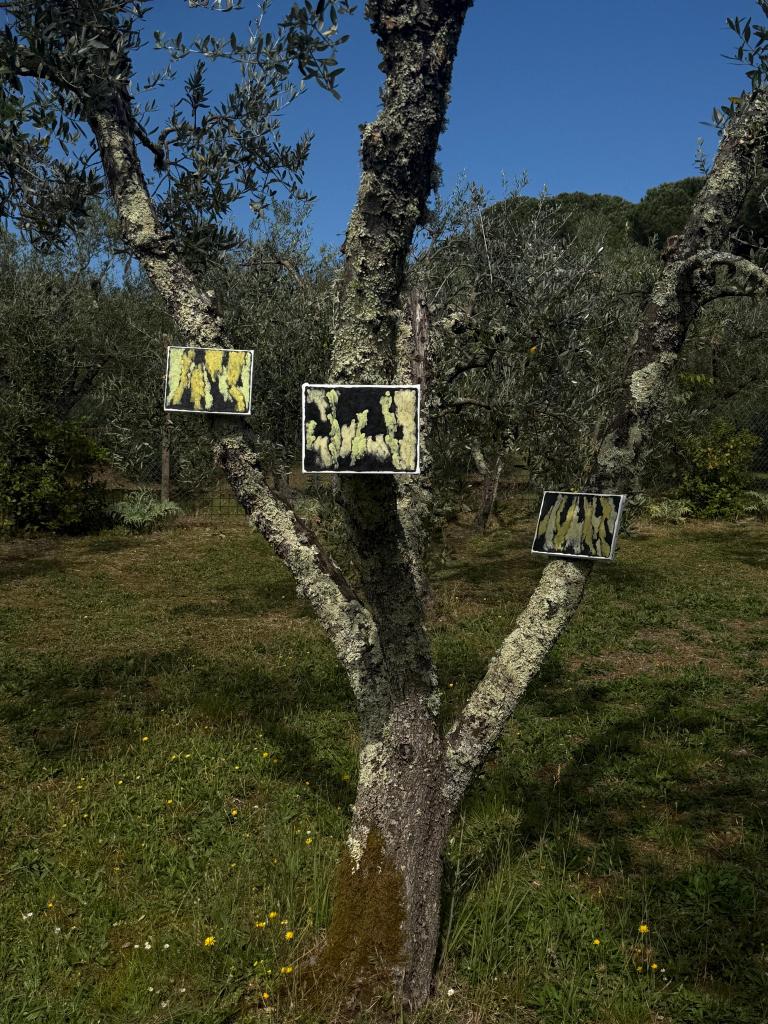
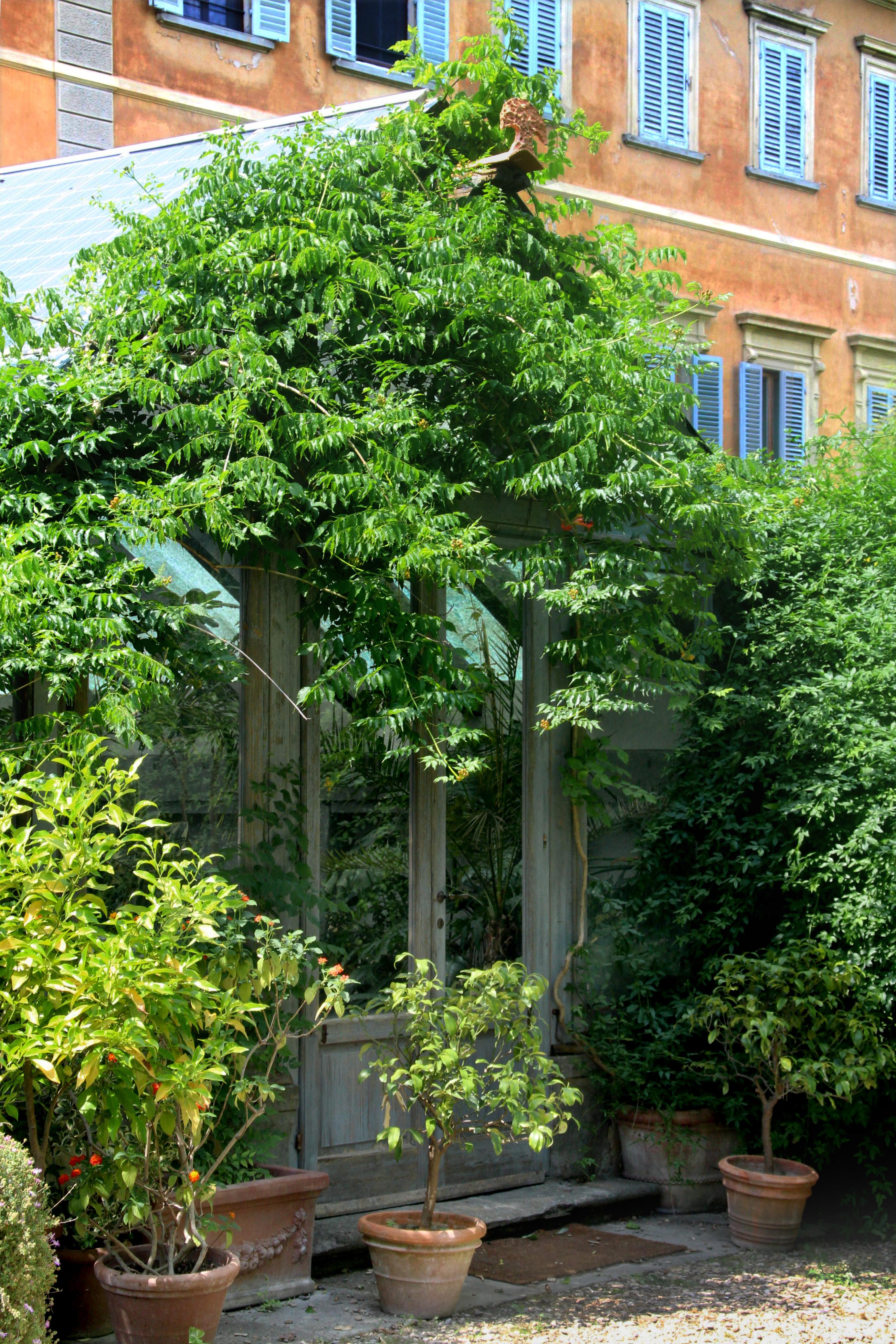
Spazio Sassetti is pleased to present Umor, a solo exhibition by our current artist in residence, Mateo Revillo, curated by Yasmine Helou. The exhibition unfolds in two chapters: first at Serre Torrigiani, the largest private garden in Europe enclosed within historic city walls, before continuing at Spazio Sassetti. Moving between these two sites, Umor traces a shifting ecology of image, water, and matter, carried from open landscape into interior space. Revillo presents Umor as a constellation of paintings, fountains, sculptures, and living systems. Across encaustic abstractions, mechanical waterworks, and ceramic forms, he constructs an environment where images emerge as springs do underground — slowly, collectively, from darkness. […] click
The exhibition begins in the cave. Not simply as shelter or ruin, but as the first place an image learned to appear. For Revillo, the cave is both Platonic and primordial: the chamber where shadows detach themselves from darkness, where visions emerge behind closed eyes, where imagination flickers before language. Images surface the way faces emerge from stone or clouds — briefly, uncertainly — before disappearing again. Umor takes its title from ancient theories of temperament and fluidity, while also drawing from Vitruvius’ writings on Roman hydraulic systems. In the sixth book of De Architectura, Vitruvius describes the movement of water through aqueducts and warns against allowing different waters — and their spirits — to mingle. Revillo reimagines these ancient giochi d’acqua (“water games”) as psychic and sculptural systems: dripping mechanisms connect paintings and fountains; trees become bodies; vessels carry residues of transformation.
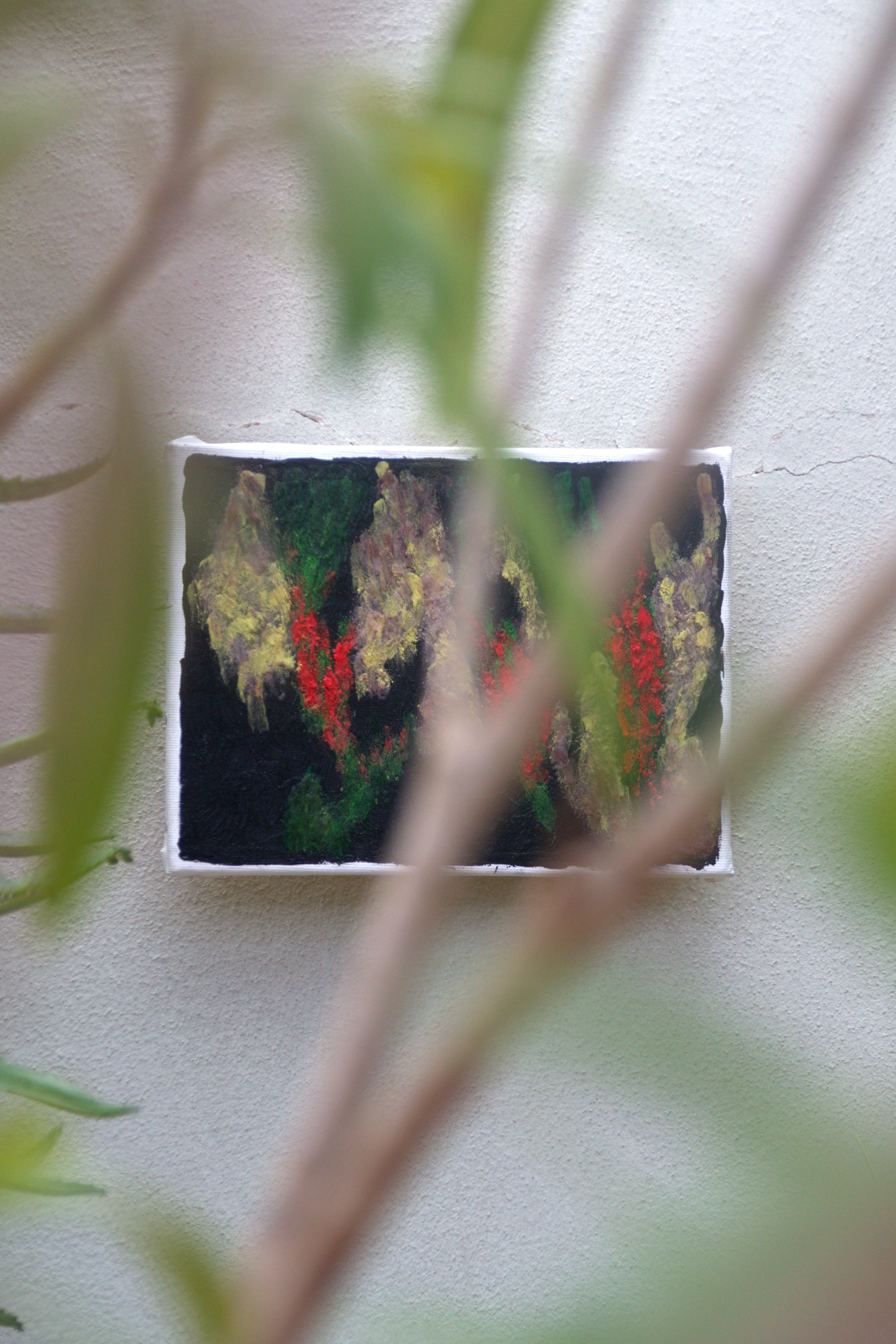
Material transformation lies at the center of the work. Revillo’s encaustic paintings are made through fire, pigment suspended in molten beeswax. Wax reappears in the casting of bronze; clay receives molten metal; water cools and seals the form. Earth, fire, humidity, ash, plant life, and image remain inseparable. One material survives inside another. The exhibition unfolds almost evolutionarily — forms becoming themselves through previous states. A monumental painting inspired by oleanders anchors the exhibition. Toxic and seductive, the flower becomes a symbol of spring, danger, and infernal beauty. Phosphorescent and acidic greens evoke both blooming gardens and the burning colors of religious painting — recalling Fra Angelico’s luminous scenes of blood and martyrdom. In Umor, hell flowers.
Throughout the exhibition, trees appear anthropomorphic, wounded, almost devotional. Mantis skins resemble relics or abandoned shells. Revillo approaches abstraction archaeologically: scratches become cuts, cuts become openings, openings become spatial folds. Influenced by Lucio Fontana, Gilles Deleuze, and the accidental geometries of excavation, the works investigate how an image can rupture, unfold, or disappear entirely. Revillo draws inspiration from moments when images briefly surface before being lost again: faces hidden in shadows, forms discovered beneath rock, frescoes uncovered beneath Rome only to vanish once exposed to air. Like the subterranean visions in Fellini’s Roma, the exhibition treats the image as something unstable — always emerging, always collapsing.
In Umor, painting, sculpture, water, architecture, and organic matter circulate through one another in a delicate system of correspondences. The exhibition becomes part cave, part aqueduct, part dream: a humid and unstable space where images dri! between apparition and erosion, forever suspended between revelation and disappearance.
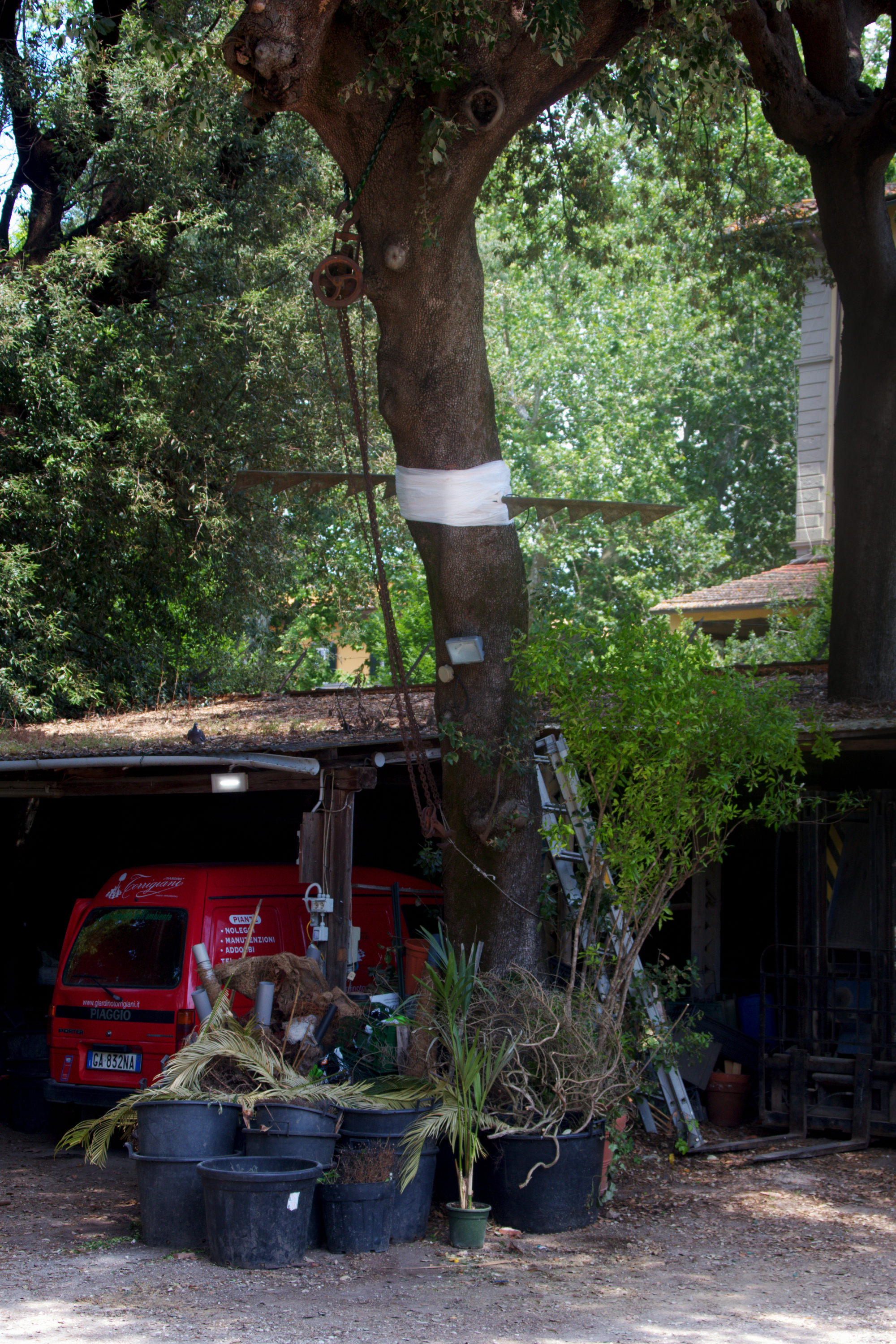
Ecce Arbor, bronze, Installation view, 2026.
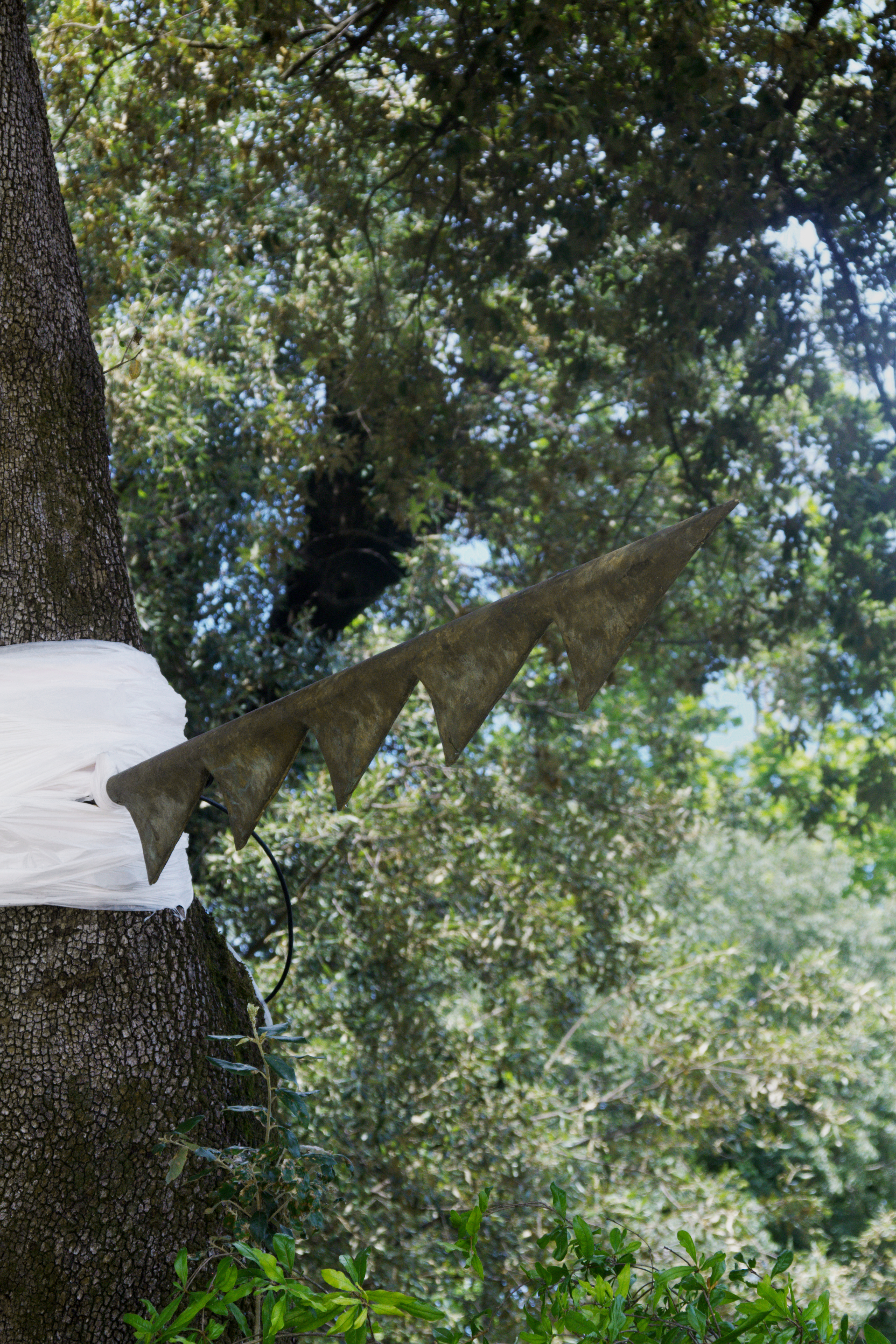
Ecce Arbor, bronze, Installation detail, 2026.
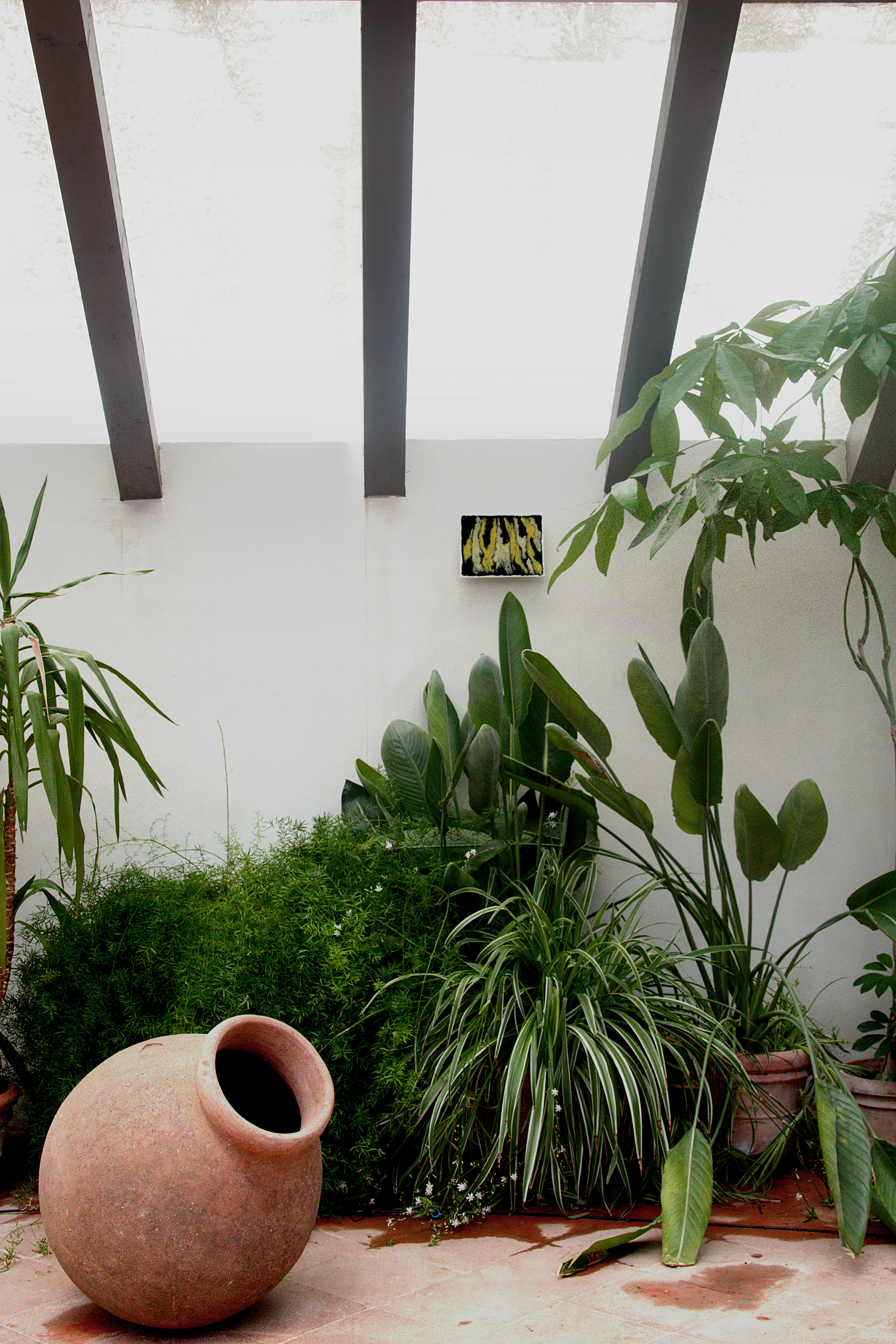
Striptease series, Serre Torrigiani, installation view.
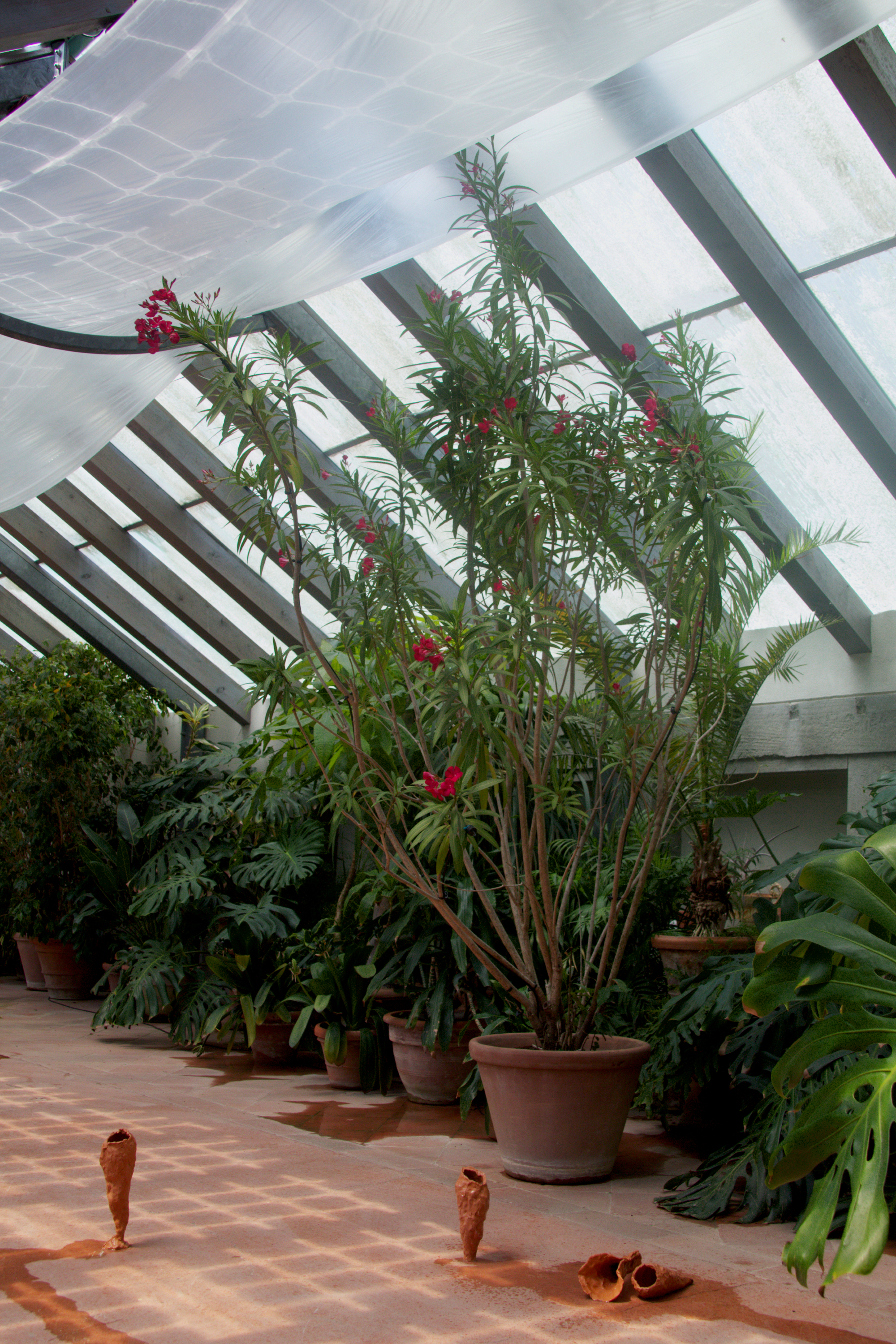
Per non dormire, Oleander fountain, Serre Torrigiani, installation view.
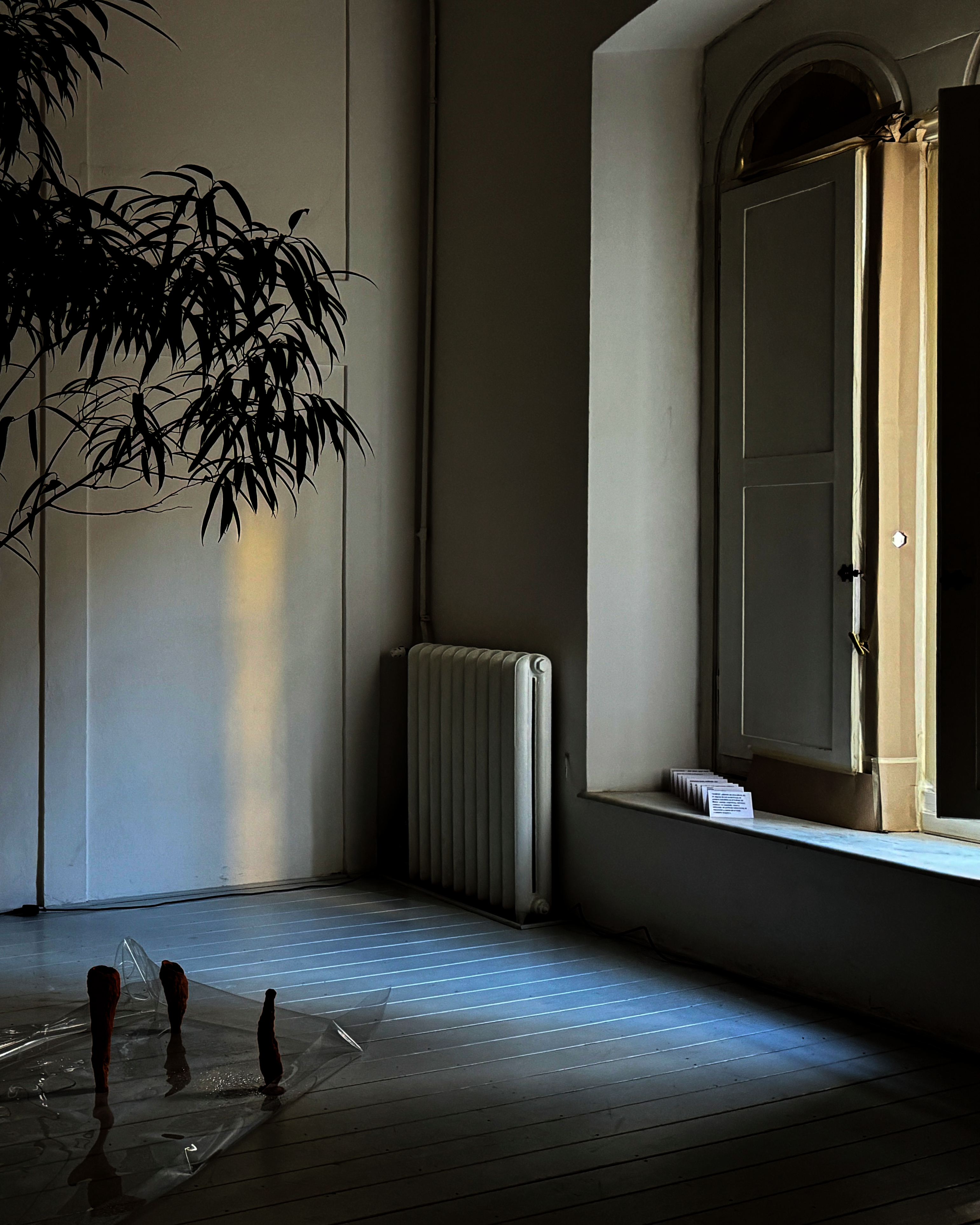
Camera Obscura, installation detail, Spazio Sassetti.
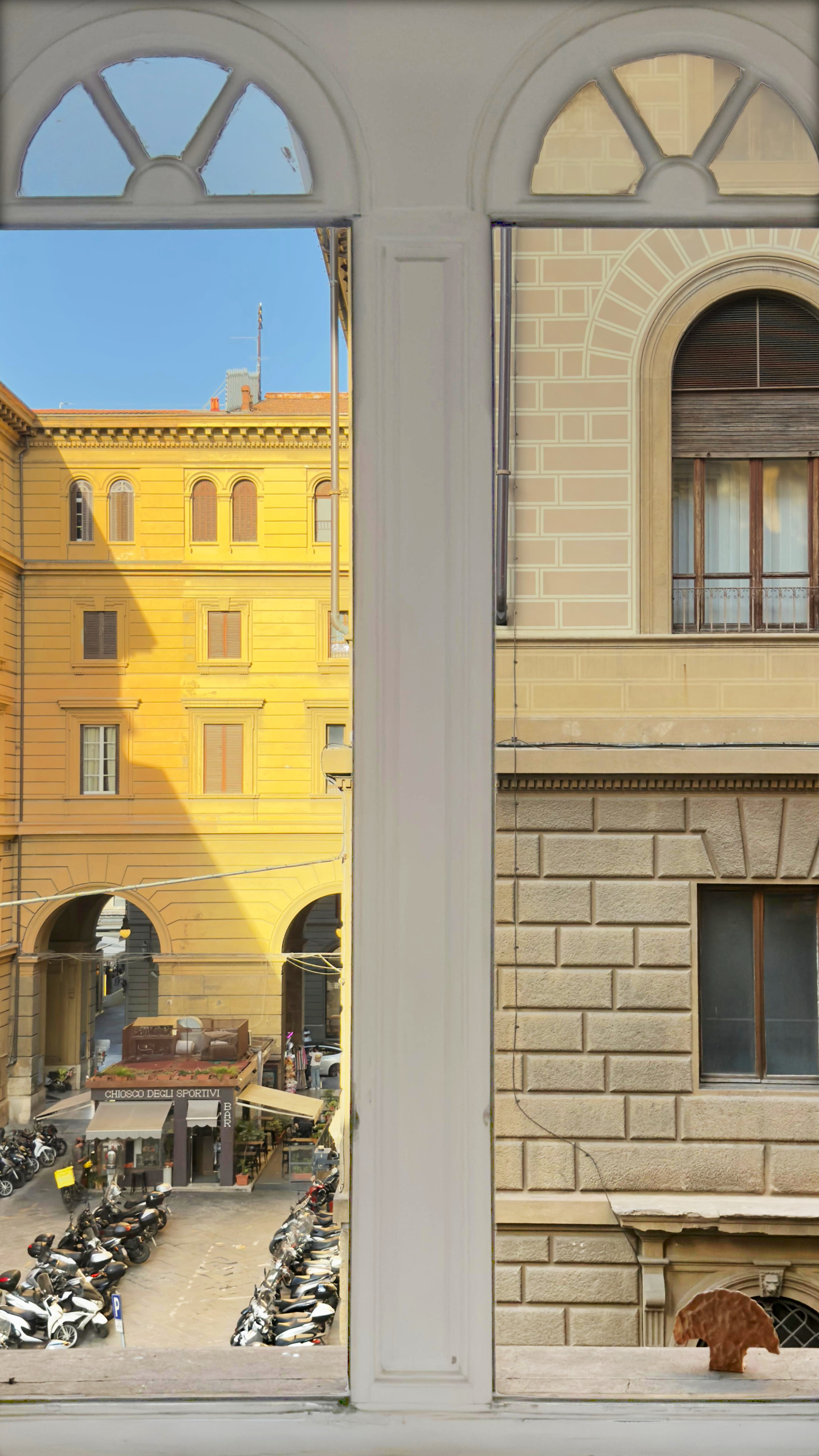
Palmetta, installation view.
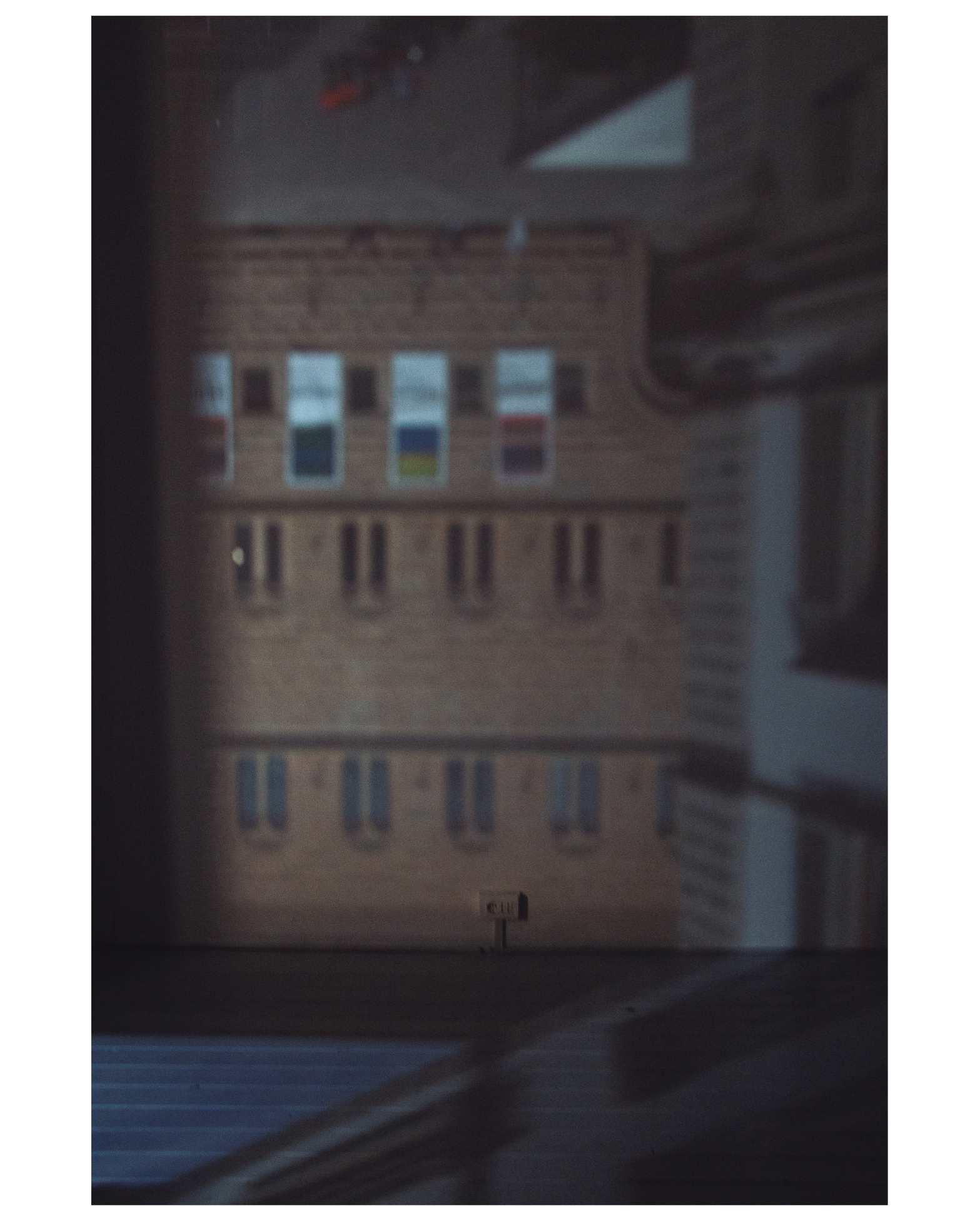
Camera Obscura, Mateo Revillo and Enrique Villaluenga, print, 2026
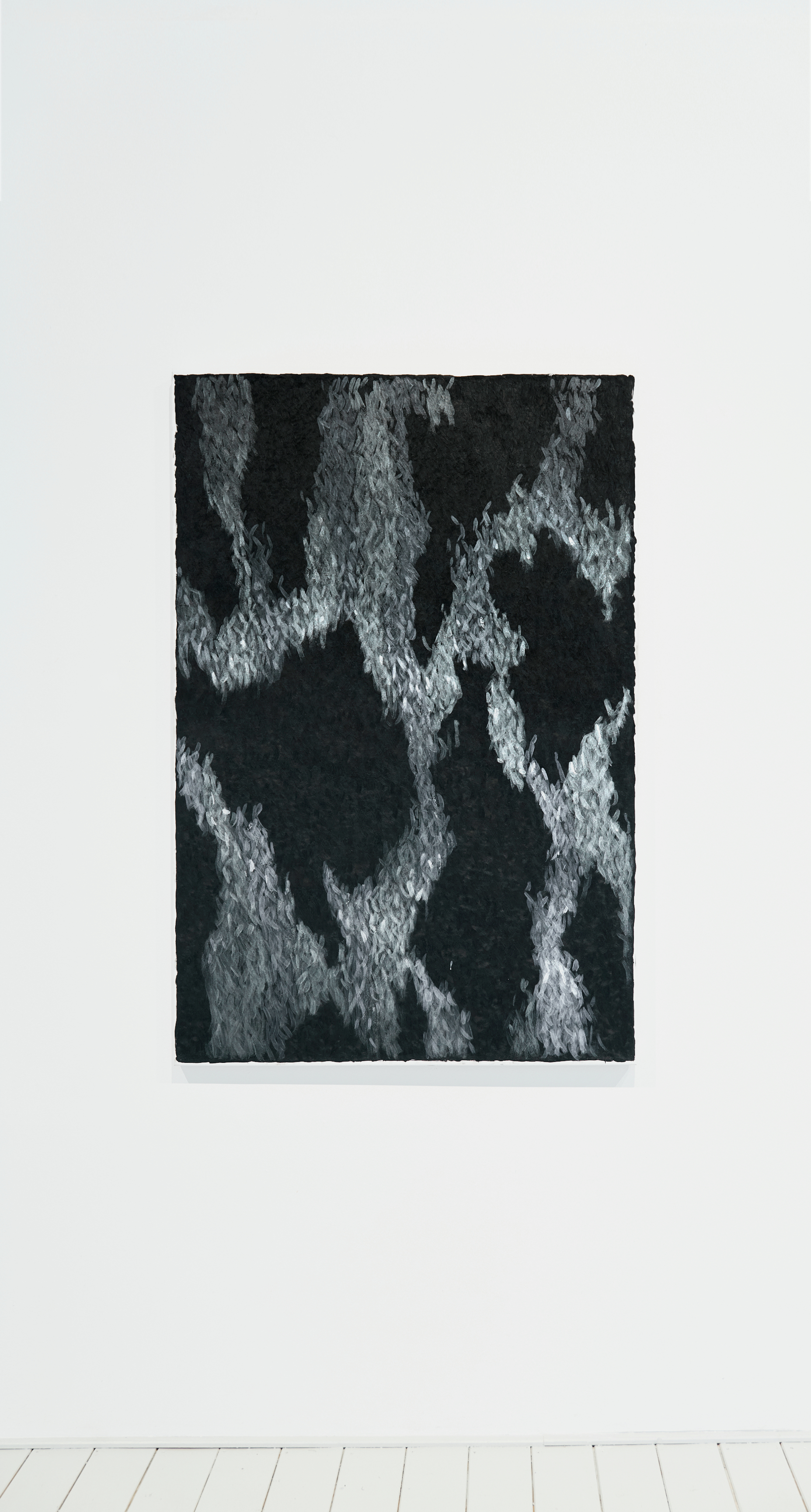
Boia, encaustic on linen, 2026.
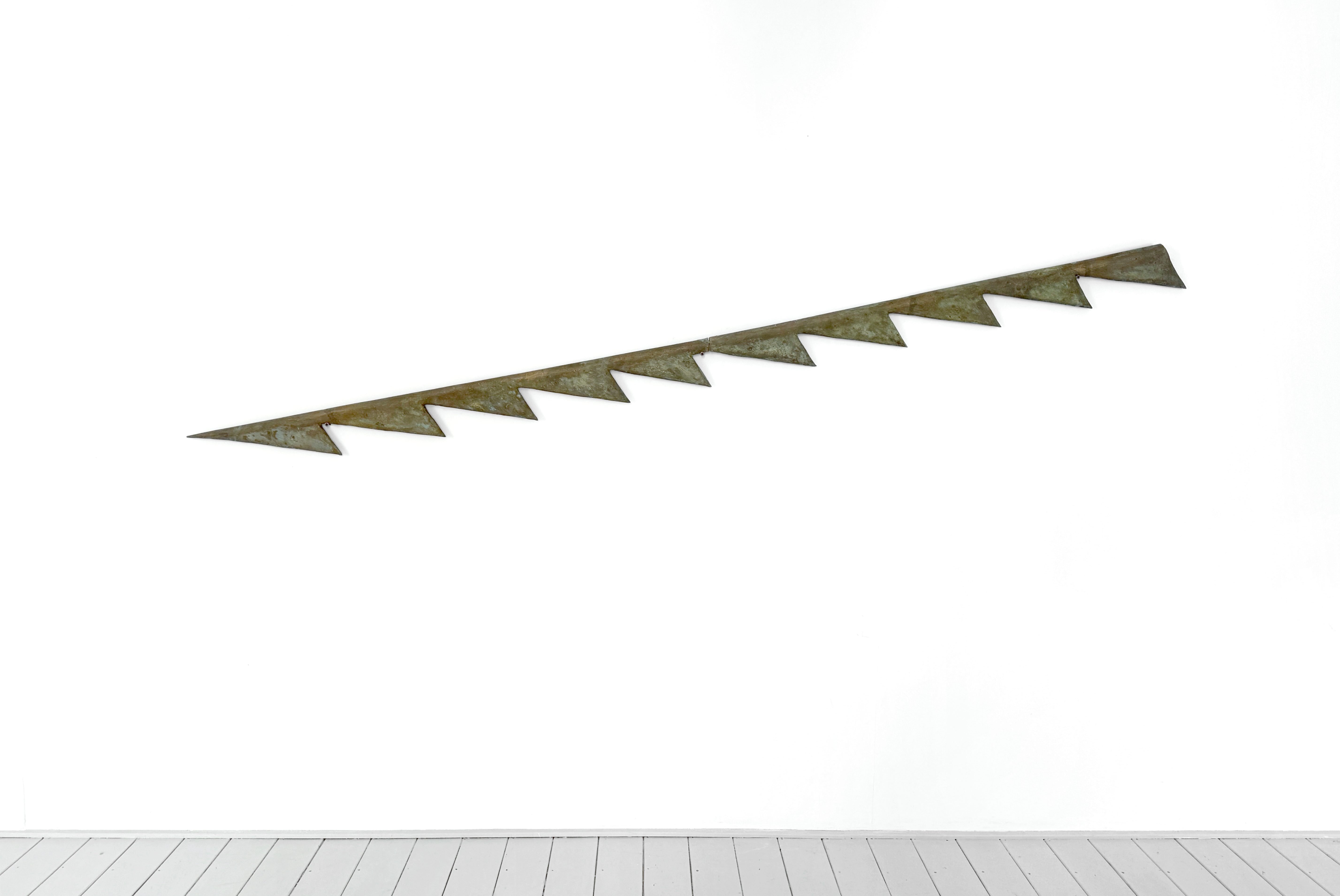
Ecce Arbor, 2026 ; Bronze.